Cessna Nose Gear Strut Assembly: Front Landing Gear Maintenance Solution
Cessna Nose Gear Strut Assembly: Front Landing Gear Maintenance Solution
Blog Article
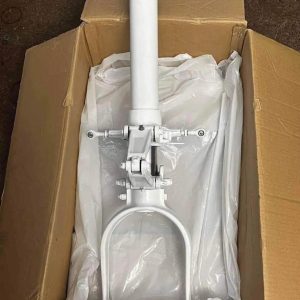
The Cessna Nose Gear Strut Assembly is an important landing-gear component designed to support the forward section of a compatible aircraft during taxiing, takeoff, landing, parking, towing, and routine ground operations.
Accurate use of these keywords improves search relevance without implying universal compatibility across the Cessna product line.
The Aircraft Nose Gear Strut must maintain suitable alignment, movement, sealing, structural integrity, and connection with surrounding components.
The Cessna Nose Gear Shock Absorber, Cessna Landing Gear Assembly, Aircraft Landing Gear Strut, and Cessna Nose Wheel Strut phrases highlight the component’s role in supporting loads and controlling ground impacts.
A Cessna Steering Strut Assembly may interact with steering rods, collars, torque links, springs, stops, bushings, and model-specific linkage components.
Why Exact Landing Gear Identification Matters
The assembly should be identified through its Cessna part number, casting or forging numbers, serial markings, aircraft applicability, dimensions, configuration, photographs, maintenance records, and available illustrated-parts information.
The buyer should determine whether the listing includes a complete Cessna Nose Gear Assembly or only selected parts of the system.
Managing Taxi and Landing Forces
The nose gear supports a portion of the aircraft’s ground weight and transfers loads into designated airframe attachment points.
Repeated hard landings, runway excursions, towing incidents, shimmy, improper servicing, corrosion, and maintenance errors can affect both the strut and nearby structure.
Maintaining Controlled Compression
Proper operation depends on correct servicing, internal condition, seal integrity, surface finish, alignment, and absence of contamination.
Servicing values should come from applicable maintenance information rather than estimates based on another Cessna model.
Evaluating Ground Steering Geometry
Each component should move smoothly and remain free from excessive play, binding, distortion, corrosion, and unsuitable modification.
The buyer should inspect torque links, attachment bolts, bushings, bearings, and pivot points for looseness or wear.
Verifying Illustrated Parts Catalog Information
Compatibility depends on the exact Cessna model, aircraft serial-number range, landing-gear configuration, part number, modification status, wheel arrangement, steering system, and surrounding structure.
Supplemental modifications, replacement forks, wheel conversions, tire changes, steering alterations, and airframe repairs can affect compatibility.
Cylinder, Piston, and Sliding-Surface Inspection
Paint, grease, or contamination should not conceal suspected defects.
Qualified inspection protects the long-term value of the Cessna Landing Gear Strut.
Preventing Contamination and Seal Damage
Repeated wiping without correcting the source does not constitute proper repair.
Seal replacement should use components appropriate to the exact strut assembly and aircraft configuration.
Corrosion and Environmental Exposure
Landing gear components are exposed to water, runway contaminants, cleaning products, salt, dirt, chemicals, and changing environmental conditions.
The component should be stored in a dry, controlled environment before installation.
Inspecting High-Stress Areas
The assembly should be inspected for cracks, bending, twisting, damaged welds, distorted mounting features, and impact marks.
The seller should disclose the donor aircraft’s removal reason and known incident history.
Understanding Included Landing Gear Components
The wheel fork should be inspected for cracks, bending, corrosion, damaged mounting points, distorted axle bores, and signs of side loading.
Professional assembly supports dependable Cessna Nose Wheel Strut performance.
Inspecting Landing Gear Articulation Components
Bushings, bolts, washers, bearings, and attachment holes should be inspected for wear, elongation, corrosion, looseness, and inadequate lubrication.
Improperly installed bushings, unsuitable bolts, missing washers, or altered holes can affect steering and strut movement.
Evaluating Wheel Alignment and Steering Play
The technician should inspect the complete nose gear and steering system before selecting corrective action.
A new tire can mask but not correct underlying geometry problems.
Checking Extension After Servicing
Values from another Cessna model should not be applied without verification.
Extension should be evaluated under the loading condition specified by applicable maintenance data.
Overhaul and Reconditioning Considerations
Clear terminology helps buyers understand the actual condition of the assembly.
Complete records strengthen the commercial value of the Cessna Replacement Nose Gear.
Aircraft Nose Gear Buying Guide
The buyer should obtain enough information for a qualified aviation maintenance professional to evaluate the assembly.
- Compare the assembly with the receiving aircraft’s illustrated parts information, mounting points, steering system, wheel fork, axle, tire, torque links, and approved hardware.
- Arrange qualified landing-gear evaluation whenever structural condition, dimensions, repair history, compatibility, or documentation remains uncertain.
- Confirm the sales invoice, payment protection, packaging method, freight insurance, inspection period, return terms, and stated assembly condition.
Aircraft Component Crating Requirements
Open ports and servicing fittings should be covered using suitable protective methods.
The receiver should inspect the crate for impact, puncture, water exposure, or shifting before opening.
Preventing Corrosion and Seal Damage
The piston surface should remain covered without using materials that promote corrosion or seal deterioration.
Organized storage supports the commercial value of General Aviation Landing Gear Parts.
Professional Installation of the Nose Gear Strut
Surrounding structure should be inspected for cracks, corrosion, deformation, worn holes, and previous repair before installing the replacement assembly.
Hoses, wiring, fairings, controls, and nearby components should maintain suitable clearance through the steering and compression ranges.
After installation, technicians should verify strut extension, servicing, leakage, steering response, wheel alignment, hardware security, tire clearance, and freedom of movement.
Protecting Long-Term Ground Handling Reliability
Routine maintenance should include inspection of the piston, cylinder, seals, fluid leakage, extension, fork, axle, wheel, tire, bearings, torque links, steering parts, fasteners, and mounting structure.
The nose gear should receive additional inspection after a hard landing, runway excursion, towing incident, tire failure, severe shimmy, obstacle strike, or abnormal ground handling event.
Buying a Replacement Landing Gear Strut
A recent professional inspection or overhaul can add value when the scope, findings, measurements, and replaced parts are documented accurately.
Total project cost may include the purchase price, freight, inspection, seals, bushings, bearings, hardware, wheel or tire components, overhaul labor, servicing, alignment, installation, and documentation.
Final Thoughts on the Cessna Nose Landing Gear Strut
When thoroughly evaluated and correctly installed, the Cessna Nose Gear Strut Assembly can become a valuable Cessna Front Landing Gear Assembly component within the aircraft’s complete landing-gear system.
The unit should not be judged solely through clean paint, smooth compression, removed-serviceable wording, or purchase price.
Whether maintenance teams are sourcing a Cessna Steering Strut Assembly, Cessna Replacement Nose Gear, or General Aviation Landing Gear Parts, professional inspection and installation should precede operational use.
With complete evaluation and continued care, the Cessna Nose Gear Strut Assembly can deliver a professional combination of structural support, shock absorption, steering stability, replacement value, and general aviation application potential.
Report this page